See the article’s sources and scope. Our editorial standards
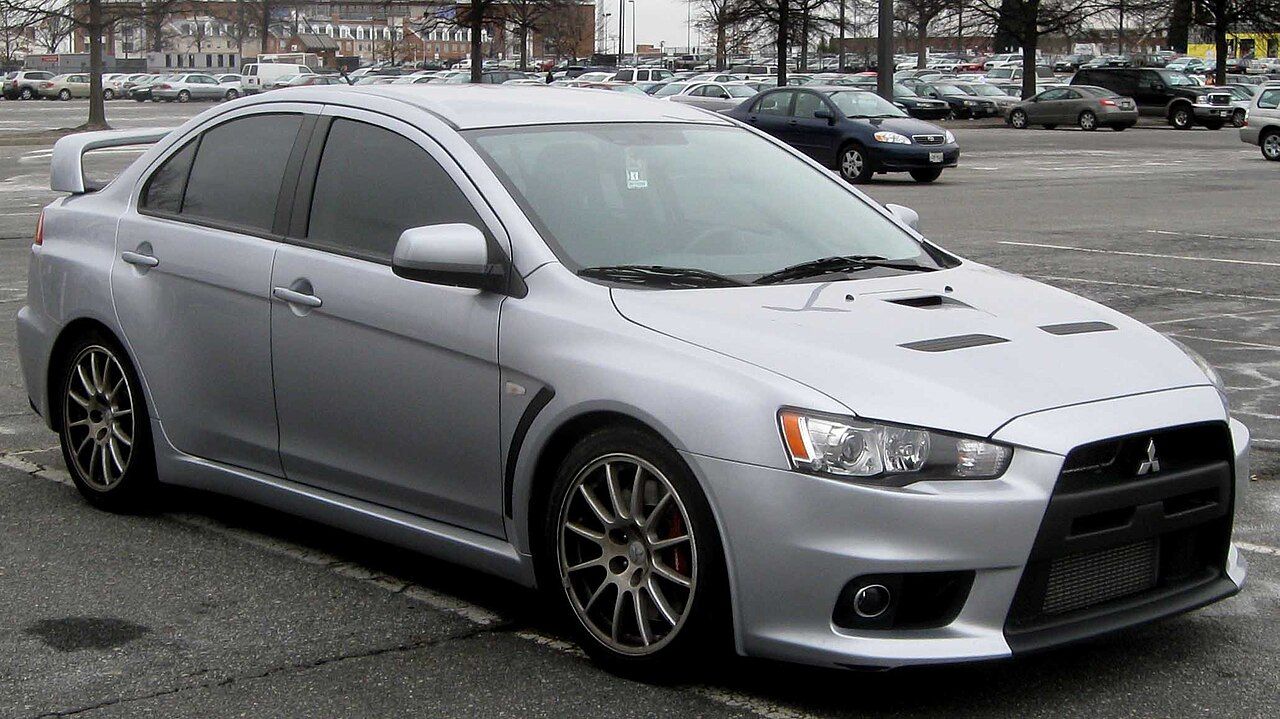
A good first modification solves a problem you can describe. Maybe the tires are worn, the ride is uncomfortable, or the car is louder on a commute than you expected. Start there. A shopping list copied from an Evolution build can be a poor plan for a different Lancer configuration or a different use case.
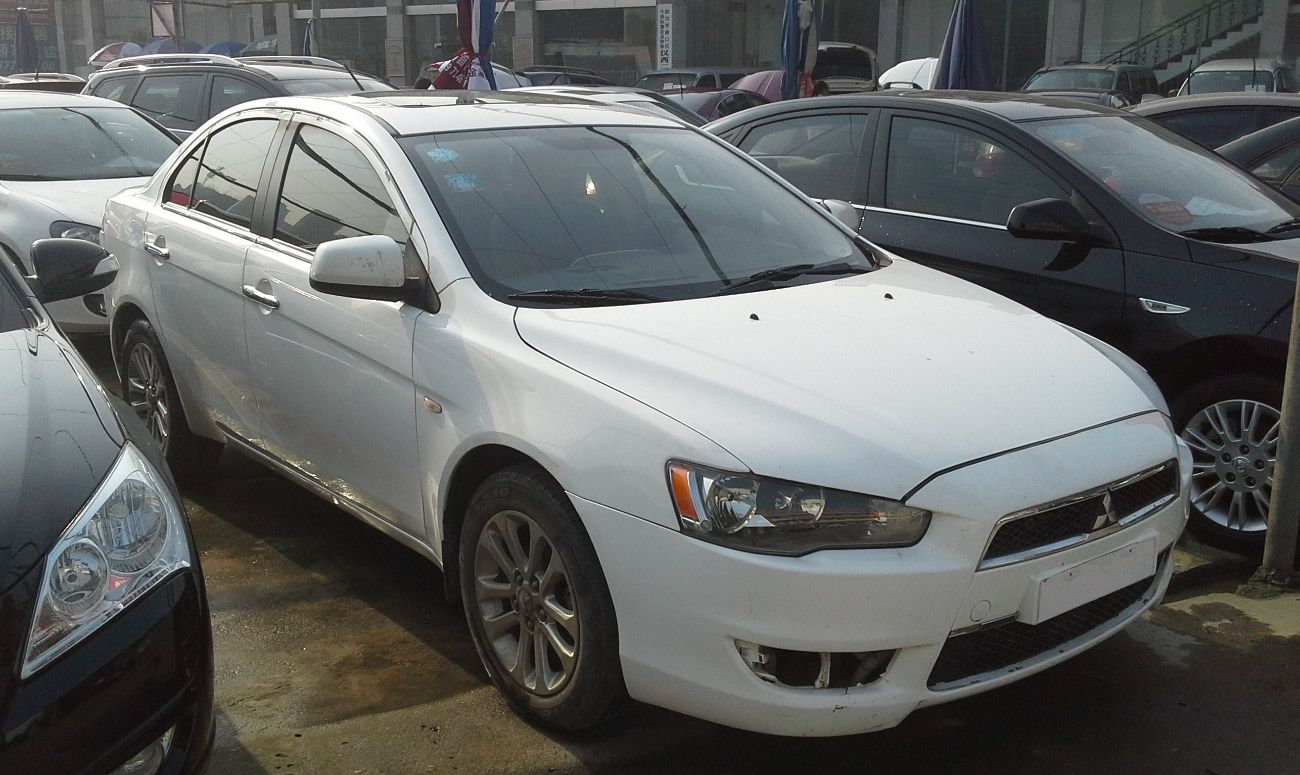
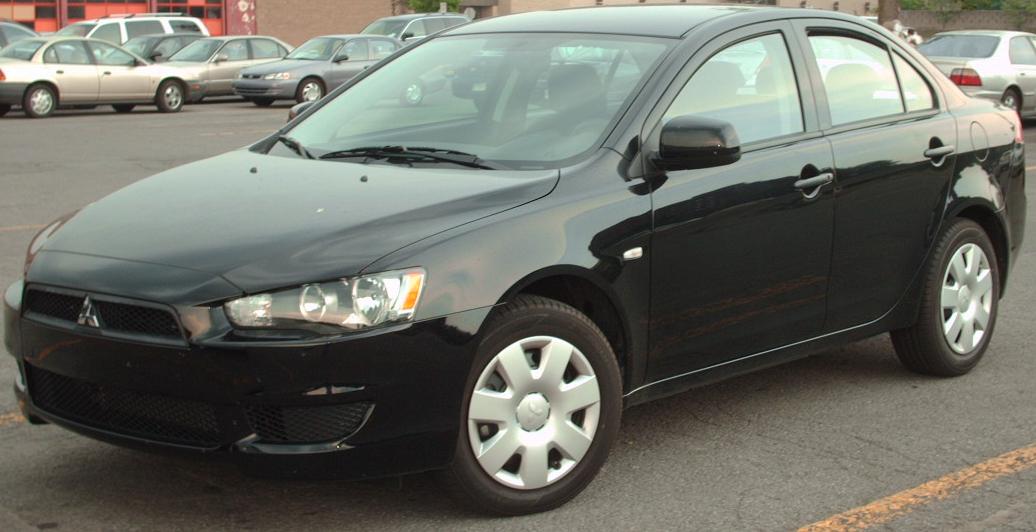
This guide is a decision framework, not a tested parts ranking or a promise of horsepower. It applies to planning a road-going Lancer build; specific fitment and mechanical changes need confirmation for the actual car. Identify the version with our Lancer family guide and establish the maintenance baseline first.
Write a build brief you can measure
Finish this sentence: “I want the car to be better at…” Then add the limits you are unwilling to sacrifice: comfort, ground clearance, noise, carrying passengers, seasonal driving or repairability. Set a total budget that includes installation and the work around the part.
For example, a daily-driver brief could prioritize predictable wet-weather behavior and retaining useful clearance on a steep driveway. That brief may lead to a tire replacement and alignment assessment before new wheels or a lower ride height. This is an illustrative ordering of decisions, not a product recommendation or a measured result.
Make a tire and wheel worksheet
Record the tire size and wheel dimensions currently fitted, then confirm the original requirements for the car. Ask a supplier to document the replacement tire's approved rim range and suitability, and confirm wheel mounting and brake clearance. Include valves or TPMS work, mounting, balancing and any necessary hardware in the quote.
Wheel offset describes the mounting face's position relative to the wheel centerline. Width and offset together affect clearance. A matching bolt pattern or a similar overall tire diameter is not enough to prove that an assembly fits.
Use the tire-size calculator to compare nominal geometry, then verify the proposed combination physically and against supplier information. The calculator does not check caliper clearance, body contact through suspension travel, load capacity or drivetrain compatibility. Save the confirmed fitment details for future replacements.
Inspect suspension before changing its height
Have wear, leaks, mounting condition and existing modifications assessed before deciding that a different spring or damper is the solution. Obtain a quote for the complete job, including related worn parts, installation and alignment. Ask what settings can actually be achieved on your car and request the final alignment report.
Write down the desired ride height and the clearance your daily route requires. Evaluate spring-and-damper or coilover options against that use, the supplier's application details, serviceability and warranty support. More adjustment positions do not by themselves tell you whether the setup suits the car or your roads.
Put brakes and power claims in context
Start brake decisions with condition and intended use. Ask the workshop whether the existing system is operating correctly and what a proposed pad or hardware change would alter. Do not treat a larger component or a performance label as evidence of a better result for your particular use.
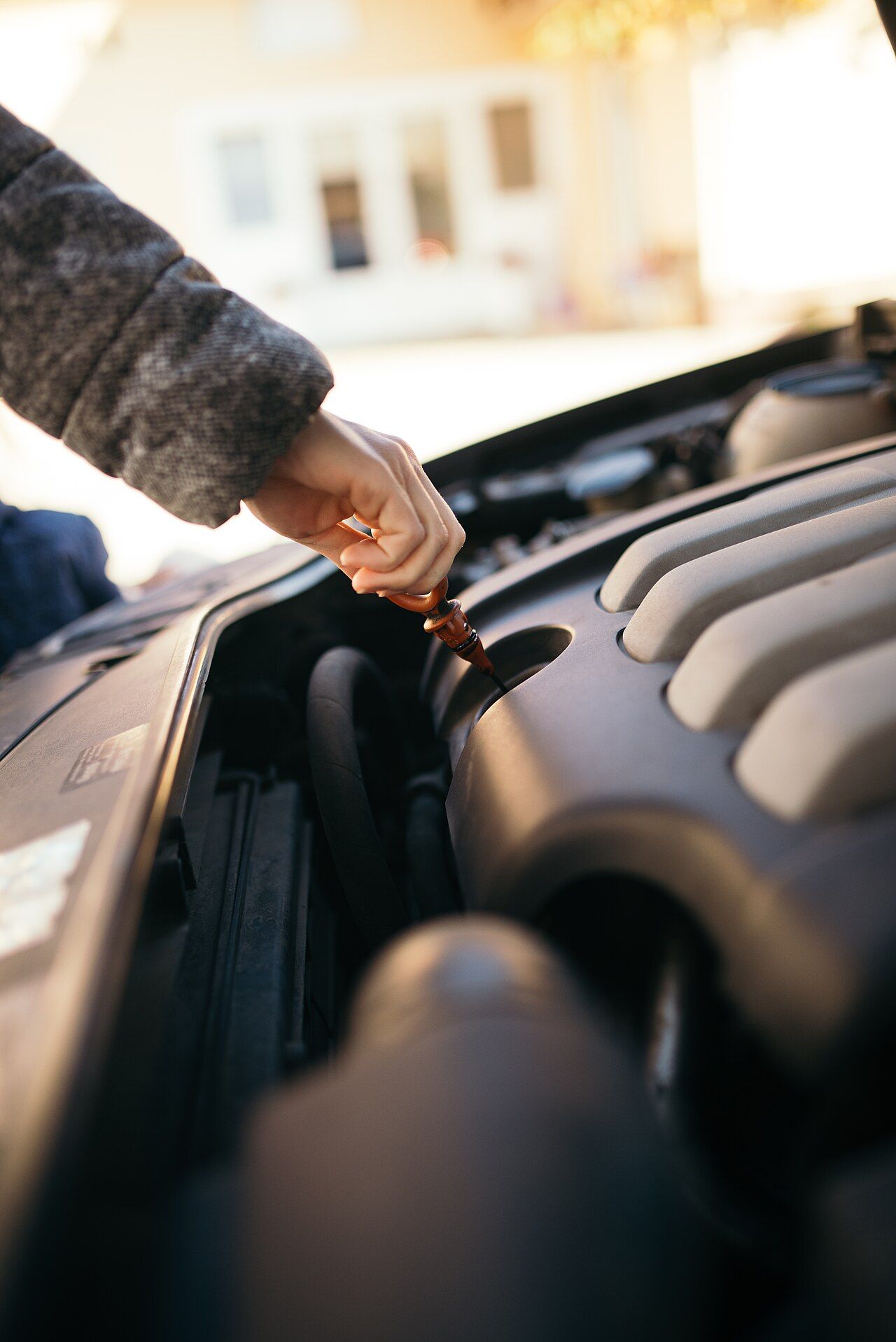
For engine changes, require a plan covering the actual engine, transmission, supporting hardware, calibration and ongoing service. Ask how any claimed gain was measured. Avoid adding several unverified changes at once: it makes the result and any new fault harder to attribute. A reliable baseline gives you a reference to compare against.
Keep road use and reversibility in the plan
The EPA's guidance explains that emissions-control tampering and defeat devices can violate the Clean Air Act. Keep emissions equipment functional and verify the requirements applying where the car is registered before buying engine or exhaust parts. A seller's “off-road” label is not a road-use approval.
Keep invoices, part numbers and useful original components. After each completed change, record the setting, mileage and outcome in a build journal. If a change does not solve the stated problem, reconsider it before adding another part. The goal is a Lancer that fits your life, with a record that the next technician can understand.
Sources and research
- Tire Rack: wheel offset and clearance · Checked 2026-09-30
- EPA: aftermarket defeat devices and emissions tampering · Checked 2026-09-30