See the article’s sources and scope. Our editorial standards
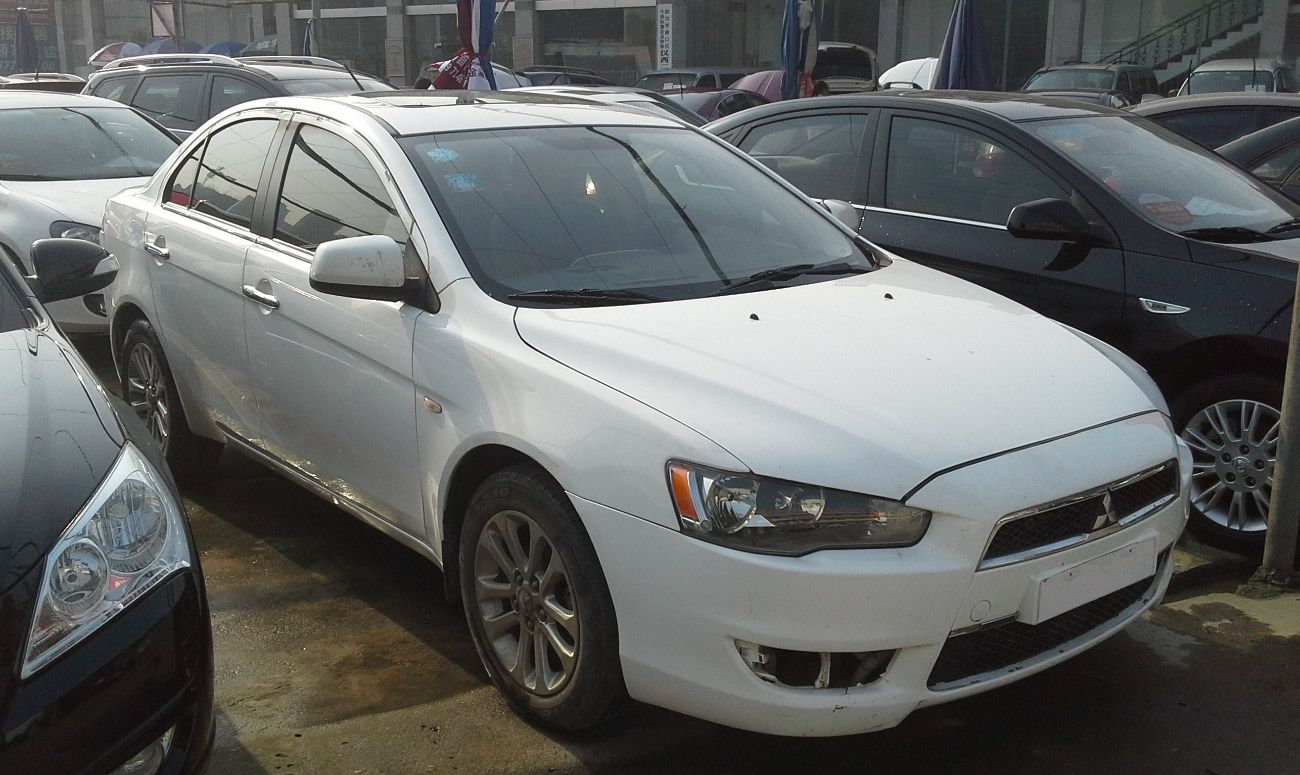
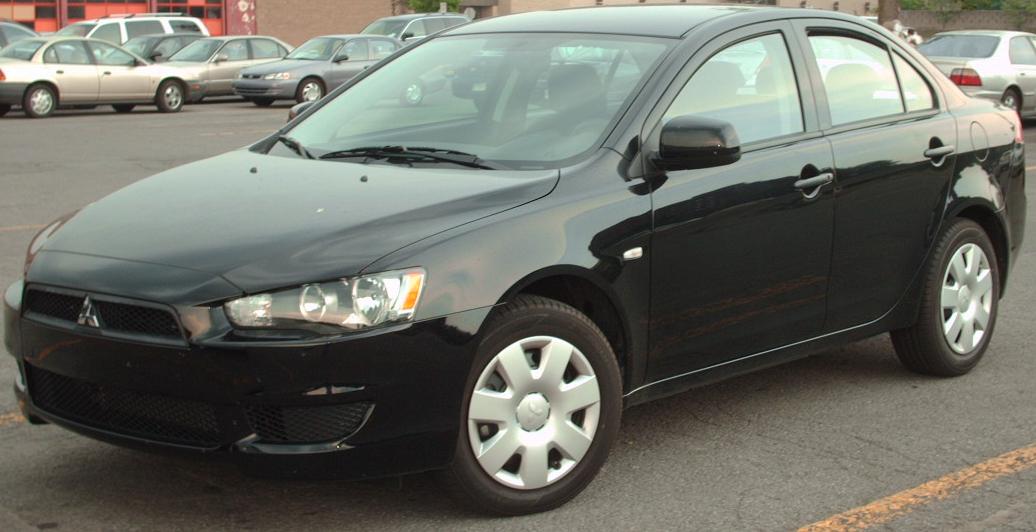
The badge on the trunk is a starting point. Before comparing prices or ordering parts, establish which Lancer you are looking at. A body kit can change the appearance; it does not identify the engine, transmission, brakes, or all-wheel-drive hardware underneath.
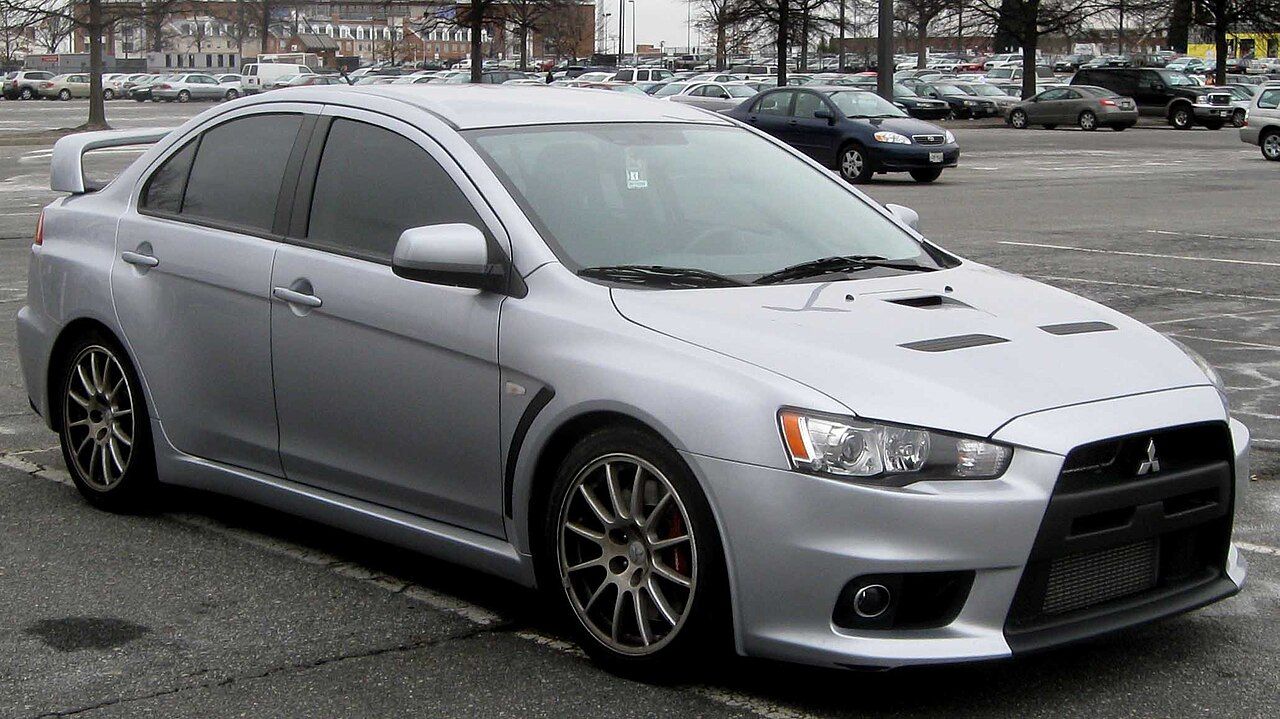
This guide uses Mitsubishi's 2015 US brochure as a fixed reference. It is a document-based comparison, not a road test. Earlier cars, later cars, imports, and other markets require their own documentation. The cover photograph shows a Lancer Evolution; it illustrates one branch of the family, rather than every configuration below.
Start with a configuration, not a nickname
Write down five things from the listing and vehicle records: model year, original market, trim, engine, and transmission. Then have the VIN and installed equipment checked against manufacturer information. If the seller calls the car an Evo, ask for evidence of its original specification rather than treating wheels, a rear wing, or a replacement bumper as proof.
Keep factory identity and present condition in separate columns. A genuine performance model can have undocumented mechanical changes; a tidy-looking ordinary sedan can be advertised using performance-model language. Neither a badge nor a clean engine bay resolves that distinction.
The 2015 US family at a glance
| Version | Engine | Transmission | Driven wheels |
|---|---|---|---|
| ES | 2.0L, naturally aspirated | 5-speed manual or CVT | Front |
| SE | 2.4L, naturally aspirated | CVT | All-wheel control (AWC) |
| GT | 2.4L, naturally aspirated | 5-speed manual or CVT | Front |
| Ralliart | 2.0L turbo | 6-speed TC-SST | All-wheel drive |
| Evolution GSR / MR | 2.0L turbo | GSR: 5-speed manual; MR: 6-speed TC-SST | Super All-Wheel Control (S-AWC) |
The table is based on the manufacturer's specification spread. Its useful lesson is that all-wheel drive alone does not identify a Ralliart or Evolution. Likewise, an automatic selector does not tell you whether the car has a CVT or a twin-clutch transmission.
Choose for the ownership you want
For a commuter, start with condition, service records, usable equipment, and insurance quotes. For a performance project, add a specialist inspection and a realistic plan for the existing modifications. Asking whether you want a manual gearbox is more useful at this stage than shopping for an exhaust before choosing the car.
Our decision rule is to price the complete ownership plan for each actual candidate. Request separate quotes for overdue maintenance, tires, and any unresolved diagnosis. A cheaper asking price is not a saving if it consumes the money you needed to establish a sound baseline. We are not assigning a reliability ranking or a current market-price range to these versions.
Build a parts identity sheet
- Record the VIN privately, along with year, market, engine and transmission identifiers.
- List the wheels, suspension, brakes and engine hardware currently fitted, including part numbers where available.
- Keep photographs of labels and invoices with the date you checked them.
- Ask a parts supplier to confirm the exact application in writing, including exclusions and required companion parts.
An advertisement saying that a part fits “Lancer/Evo” is not enough. Treat a shared model-family name as a reason to ask more questions. Confirm the individual part, mounting arrangement and intended configuration before ordering.
Your next step
Take the identity sheet into the Lancer used-car inspection guide. If you already own the car, use the maintenance baseline first, then the modification plan. Choose the car you can document and support, rather than the badge you would like it to be.