See the article’s sources and scope. Our editorial standards
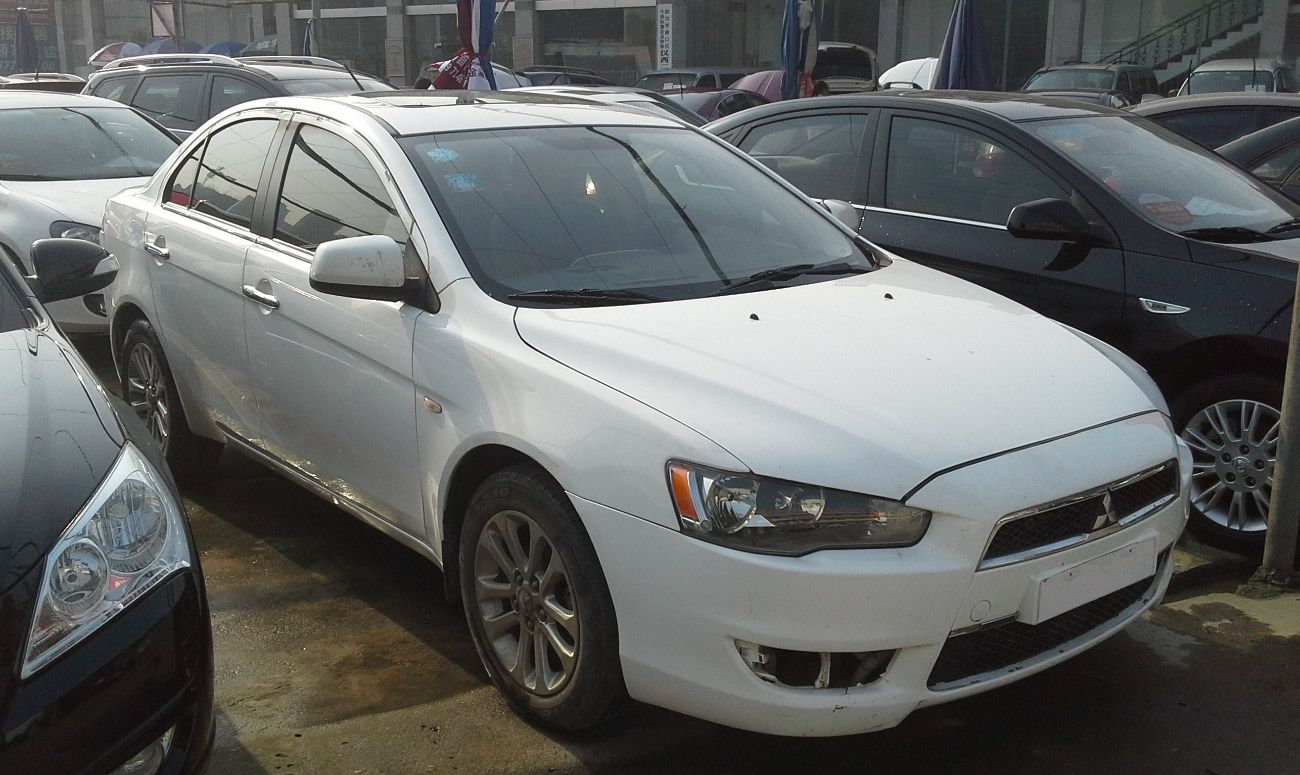
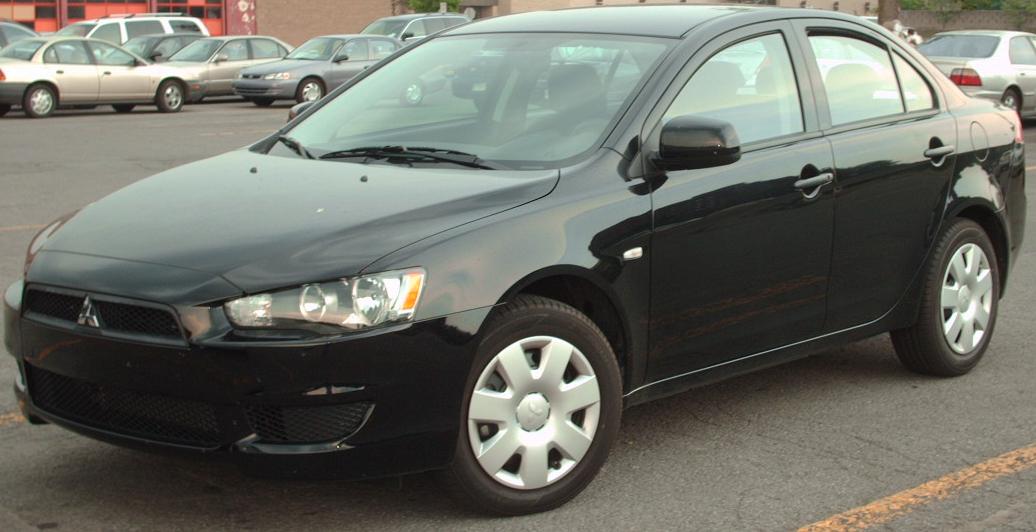
The first maintenance decision is identifying the equipment in your car. “Automatic Lancer” is too broad a description to choose a fluid or approve a service quote. Start with the model year, market, engine and transmission, then find the matching owner documentation and maintenance schedule.
This is a planning guide rather than a workshop procedure. The fluid example below comes from the 2015 Lancer manual hosted by Mitsubishi Canada; verify your own vehicle's documentation and any later manufacturer guidance before service. It does not establish a universal interval or quantity for every Lancer, Ralliart or Evolution.
Create a one-page service record
Use one row per item: date, odometer, work performed, product specification, invoice reference and next action. Include the information behind the decision, such as the schedule page or the workshop's diagnosis. Record “unknown” where evidence is missing instead of guessing that the previous owner completed it.
Keep a separate list of symptoms. “Vibration when warm at a steady speed” is an observation; “needs a new transmission” is a conclusion that requires diagnosis. This distinction helps a workshop investigate the right concern and keeps a routine maintenance budget from disguising a repair problem.
CVT and TC-SST fluids are different entries
On printed page 9-12, the 2015 manual specifies Mitsubishi CVTF-J4 for the CVT and Mitsubishi SSTF-I for the Twin Clutch SST. It warns against incorrect transmission fluid and does not recommend fluid additives. These are separate specifications, not interchangeable labels for automatic-transmission oil.
For a manual car, consult the manual-transaxle section applicable to that vehicle. Ask the workshop to put the transmission identification, required fluid and proposed procedure on the estimate. If a product is described as a substitute, ask for the compatibility basis rather than relying on its color or a generic “universal” label.
Separate the drivetrain service items
The same manual has separate entries for transmission fluid, transfer oil, rear axle oil and, where equipped, AWC control fluid. A receipt that says “gearbox service” does not by itself establish that every applicable system was serviced.
Ask the workshop which systems your exact car has and which ones the quote covers. Request quantities and part numbers on the final invoice. Do not add a service for hardware that is absent, and do not infer completion for a separate component from an engine-oil receipt.
Use the matching schedule, then account for use
Obtain the maintenance schedule for the vehicle's year and market. Review its descriptions of normal and more demanding use against your actual driving. Calendar time matters alongside mileage wherever the schedule specifies both. A lightly driven car should not have its entire service plan based only on the odometer.
For each item, write the schedule requirement, the last documented service, and the next due date or mileage. If history is unknown, ask the shop to prioritize inspection and service based on the manufacturer guidance and present condition. Do not turn an internet recommendation for a different transmission into your own interval.
Prioritize the first appointment
- Resolve active warnings, leaks or unusual behavior through diagnosis before planning upgrades.
- Have the tires, brakes, steering and suspension assessed, with written findings.
- Check the cooling system and applicable fluid services against the correct documentation.
- Look up the VIN for recalls and ask Mitsubishi about campaign history.
- Price optional improvements only after the essential work has a clear plan.
This order is an editorial planning framework, not a claim that these are recurring defects on all Lancers. Ask for measured findings and photographs where useful. Keep declined work on a dated list so it is reconsidered deliberately instead of being forgotten.
Protect the maintenance money
Put confirmed service costs and a reserve in the modification budget planner before allocating anything to cosmetic or performance parts. For planning, you can name custom rows for inspection, scheduled service and diagnosis; the tool is an estimate, not a workshop quote.
After the appointment, retain the invoice, update the record and review any remaining uncertainty with the technician. A useful baseline is a car whose condition and next steps you understand. It is not simply a car with recently changed fluids.
Sources and research
- Mitsubishi 2015 Lancer owner manual, vehicle care chapter pp. 9-11–9-13 (hosted by Mitsubishi Canada) · Checked 2026-09-30
- NHTSA: recall lookup and limits of VIN search · Checked 2026-09-30