See the article’s sources and scope. Our editorial standards
A used Lancer listing can look convincing long before it tells you much about the car. The aim of this guide is to turn a promising advertisement into a documented decision: what the vehicle is, what has been maintained, what remains uncertain, and what that uncertainty will cost to investigate.
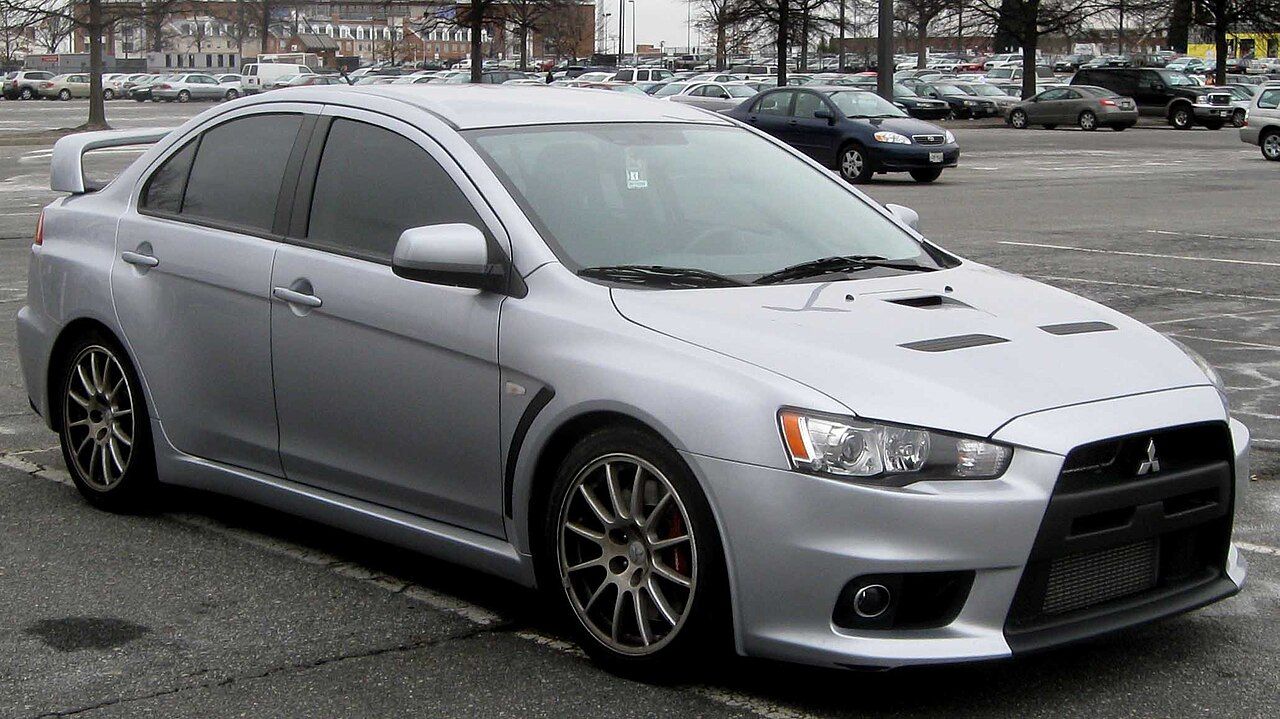
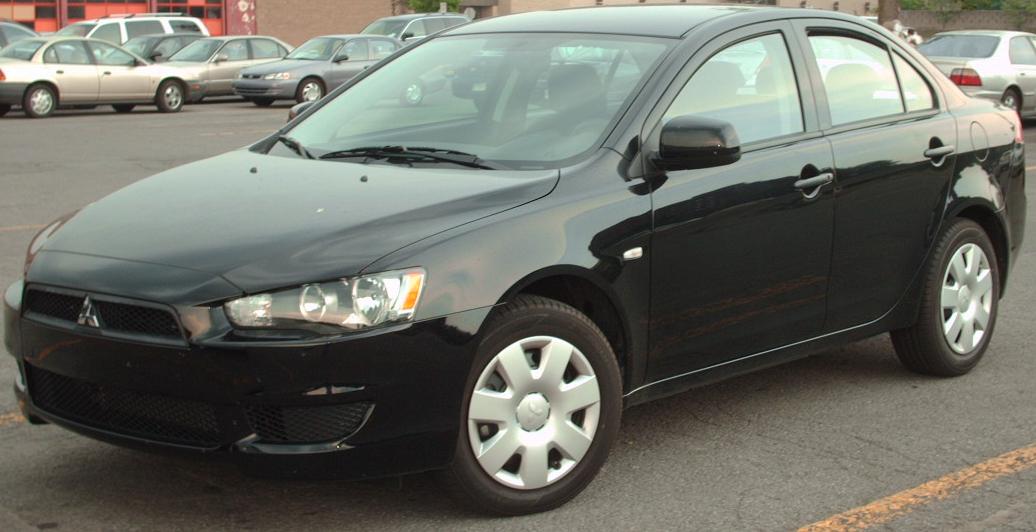
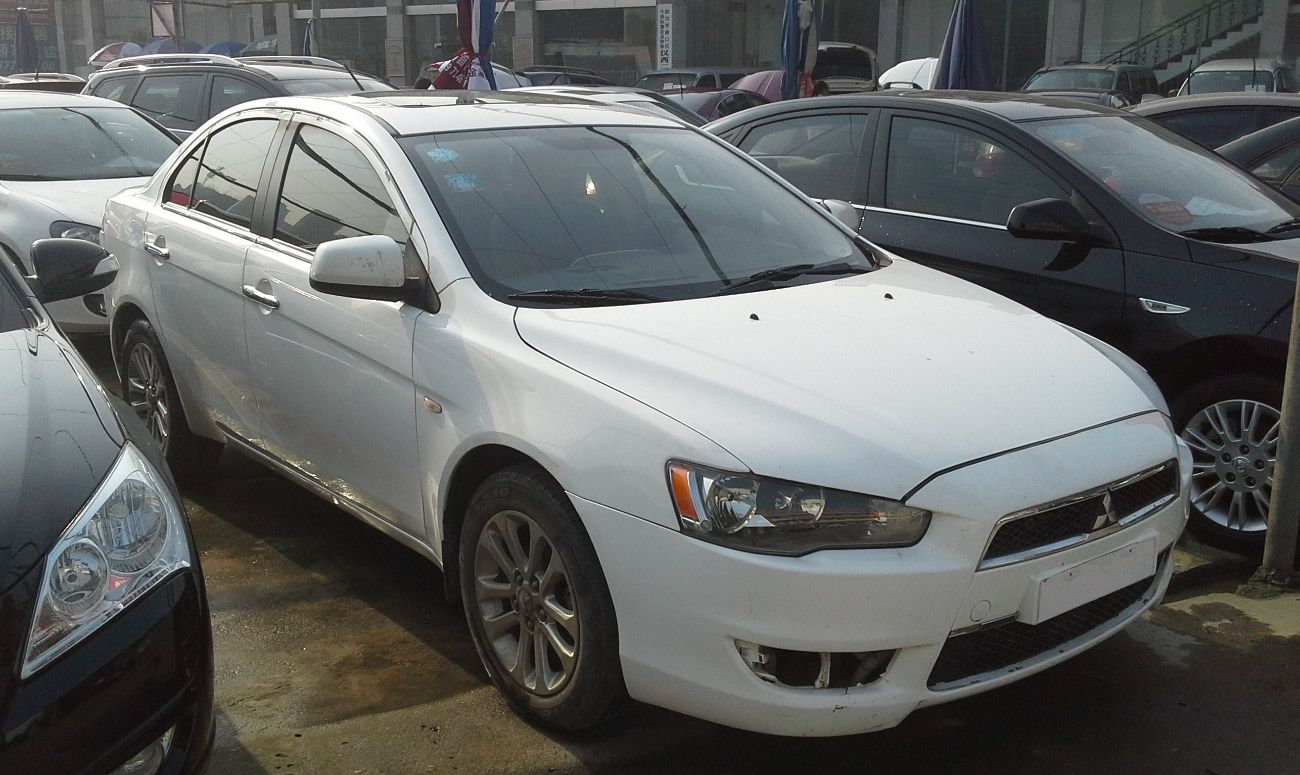
This is an inspection framework for US buyers of the Lancer family. It is not a list of proven model-wide defects, and a symptom described here does not establish a diagnosis. Ralliart and Evolution candidates deserve a workshop familiar with their particular hardware. Start with our version guide if the trim is unclear.
Ask these questions before traveling
Request the VIN, title status, current mileage, service invoices, and a list of modifications. Ask how long the seller has owned the car and whether the engine or transmission has been replaced. If replacement work is claimed, request the invoice identifying the work and the unit fitted.
Agree on a genuinely cold start and permission for an independent inspection before making the trip. A warm engine on arrival is not proof of a problem, but it means you have not observed the cold start you intended to assess. Resolve that gap rather than assuming it does not matter.
Ask for records rather than accepting “fully serviced.” An invoice with a date, mileage, fluid specification and work description answers more than a photograph of a bottle or an undated handwritten list. Missing paperwork is uncertainty to investigate, not evidence that every missing service was skipped.
Check recalls separately from condition
Run the VIN through NHTSA's recall lookup and ask Mitsubishi about outstanding campaigns and completed repairs. NHTSA explains that its VIN results have limits, including certain recently announced or older recalls. A result showing no open recalls is not a complete service history or a mechanical inspection.
Save the dated result for your records. Compare it with repair paperwork and ask the dealer about anything unclear. Do not assume that every car sharing a model name is affected by the same campaign.
Inspect the car before driving it
Look for inconsistent panel gaps, paint differences, wet areas beneath the vehicle, damaged wiring, and missing fasteners. These are prompts for closer inspection, not automatic proof of collision damage or neglect. Arrange a lift inspection of the structure, mounting points, brake lines and suspension; a parking-lot walkaround cannot substitute for it.
Record all four tire sizes, brands, condition and visible wear patterns. Ask the inspecting shop to confirm that the combination suits the particular drivetrain. Check lamps, climate controls, windows, locks and the displayed warning indicators. Small unresolved items belong in the purchase budget too.
Make the test drive repeatable
Use a legal route that includes ordinary low-speed maneuvering and steady driving. Observe starting, idle, engagement, shifts, steering and braking without deliberately stressing a questionable car. Note exactly when a noise, vibration, warning or hesitation occurs, then give that description to the technician.
Do not use a test drive to prove that a fault will disappear with a fluid change or a tune. Stop the assessment if the car feels unsafe. A workshop can decide what further checks are appropriate; an enthusiastic acceleration run is not diagnostic evidence.
Treat modifications as documentation work
Ask for the hardware list, installation invoices and details of any engine calibration. Find out who performed the work and whether that shop can support the vehicle. A seller's claimed power figure does not establish the health of the engine or transmission. Request evidence, including the measurement conditions, if the number affects your buying decision.
Missing original parts, uncertain compatibility and unexplained warning lights should produce an investigation quote before a deposit. Keep your own budget independent of what the seller says the modifications originally cost.
Leave with a written decision
Divide the inspection findings into three groups: work needed before use, planned maintenance, and optional improvements. Ask the shop to distinguish a confirmed fault from a recommended diagnostic step. Add those estimates to the purchase, registration and insurance costs while retaining a reserve.
Pause the purchase if identity or ownership is unclear, an independent inspection is refused, or a major fault remains unexplained. If the evidence is satisfactory, keep the report and start a dated maintenance record. Buying well means knowing what you are accepting, not finding a used car with no imperfections.
Sources and research
- NHTSA: recall lookup and limits of VIN search · Checked 2026-09-30