See the article’s sources and scope. Our editorial standards
Buy for your actual use
Start with your intended ride height, road conditions, and reason for replacing the current suspension. Write down what must remain practical: parking ramps, passenger use, ground clearance, and routine servicing.
This is a buying framework, not a tested product ranking. There are no paid product placements or affiliate links in this guide.
Compare the complete package
Build a comparison with the same fields for each candidate: exact application, included components, adjustment method, published installation requirements, replacement-part support, warranty terms, and total installed cost.
Where a manufacturer does not publish information you need, mark it as unknown and ask. Do not turn missing information into a positive score.
Ask before ordering
- Does the kit explicitly cover this model year and configuration?
- What other parts, tools, or services does the installation require?
- Which adjustment settings and limits does the manufacturer specify?
- Who can service the kit, and which replacement components are available?
- What happens if the delivered application is incorrect?
Keep the written responses with the installation instructions. Confirm the application and setup with the manufacturer and installer, rather than assuming that a product photograph establishes compatibility.
Budget beyond the box
Ask for a quote covering installation, supporting hardware, alignment, freight, and applicable taxes. Use the modification budget planner to put each cost in the same view.
If the complete package does not fit your budget, compare repairing the existing setup or postponing the change. A buying guide should make those options visible too.
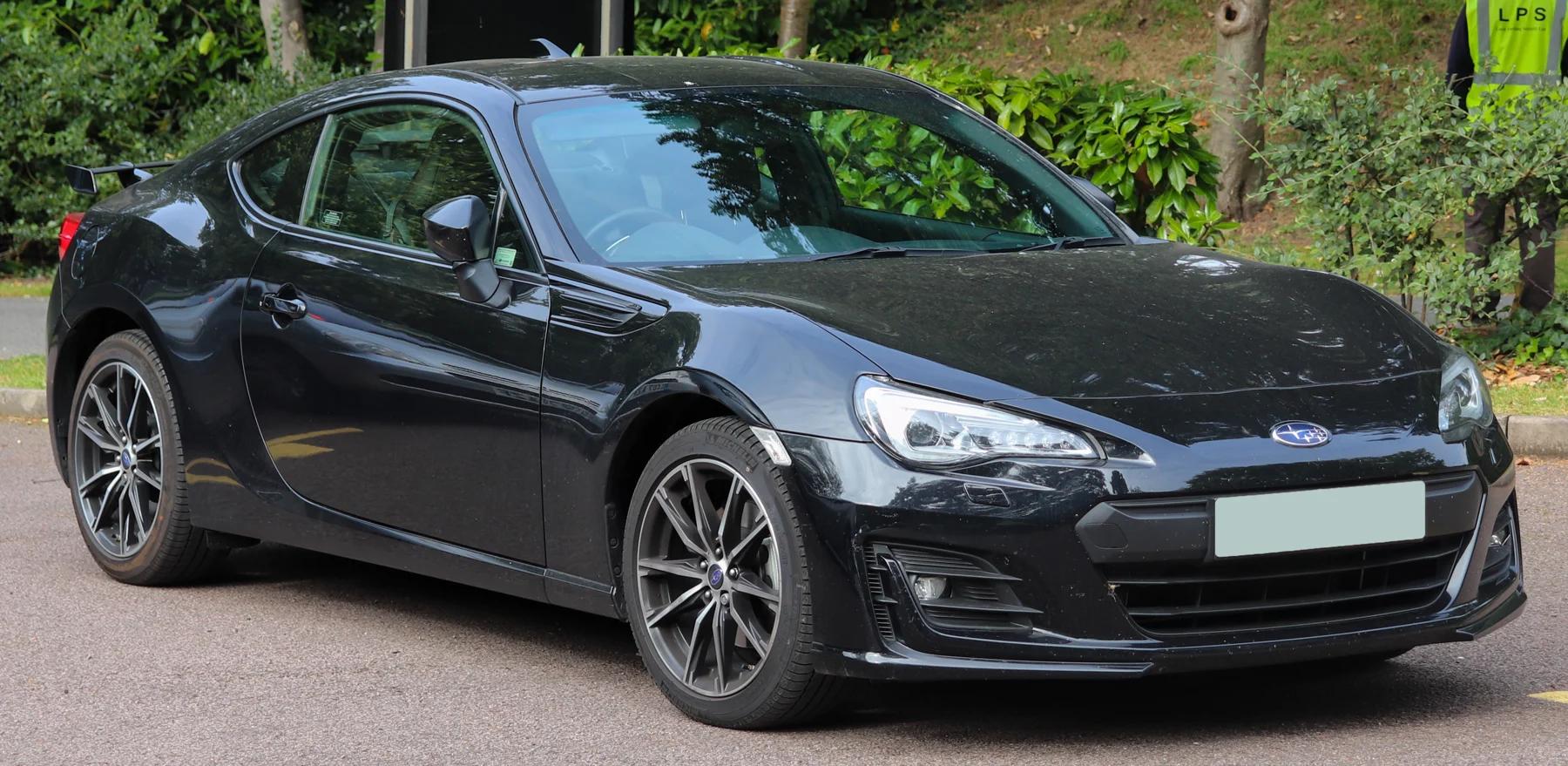
Return to first BRZ mods to check whether suspension is the next change that best serves your goal.