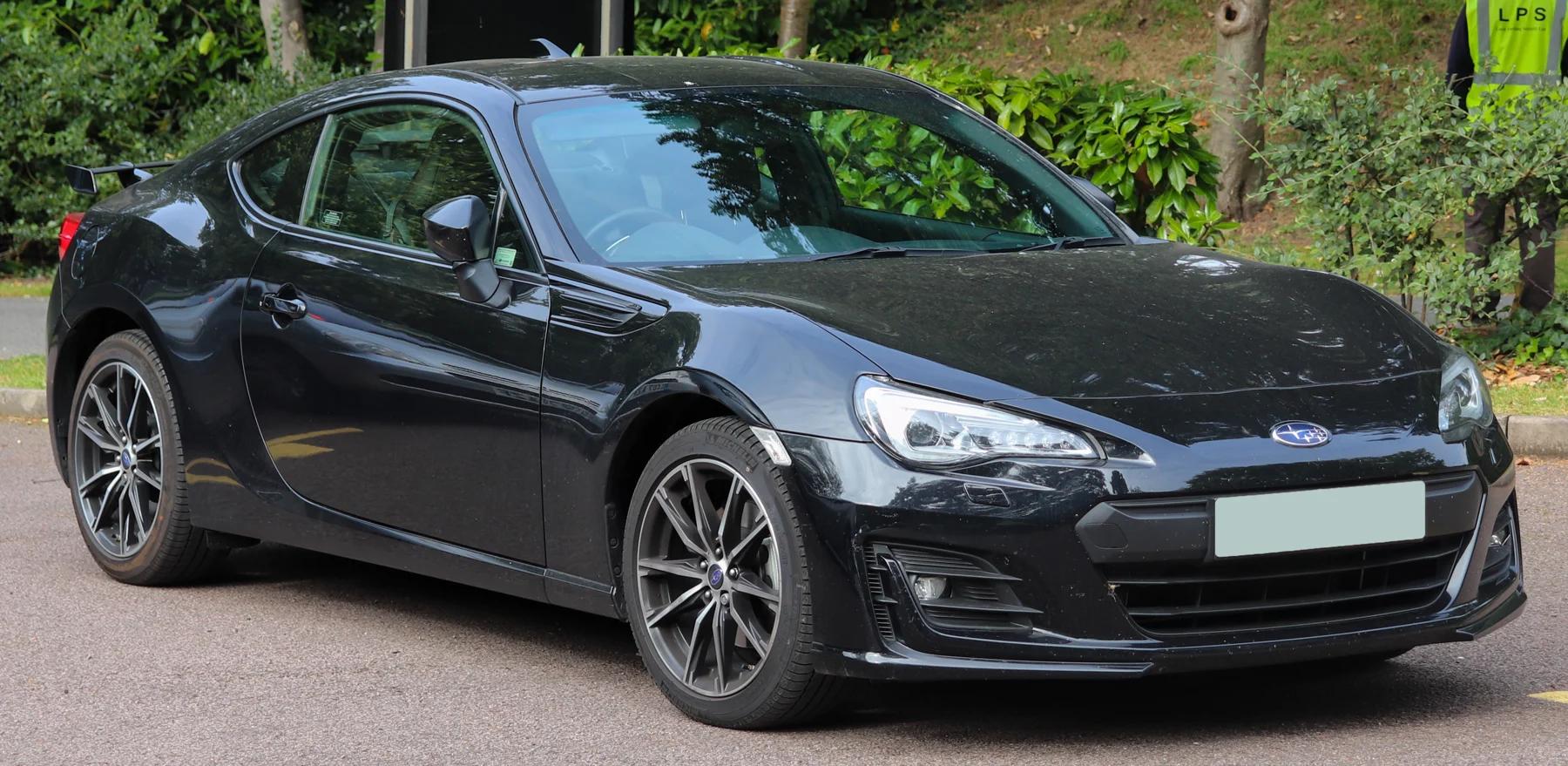

See the article’s sources and scope. Our editorial standards
Check the recall by VIN
A model name is a starting point, not a diagnosis. NHTSA campaign 18V-772 covers certain 2013 Subaru BRZ vehicles for valve springs that can fracture and cause an engine malfunction or stall. This does not mean every first-generation BRZ is affected.
Check the vehicle identification number using the NHTSA recall lookup, then ask a Subaru dealer to confirm the applicable campaign and completion record. Keep the repair invoice with the service history. An open-recall search and a complete repair history answer different questions.
The primary reference is the manufacturer's recall report filed with NHTSA. Its scope matters more than a seller's statement that “they all had that issue.”
Separate a symptom from a diagnosis
Use the viewing to collect observations. Ask for a cold start, note any warning lights, and ask the independent inspector to explain leaks, noises, diagnostic codes, or evidence of previous work. A noise alone does not identify its source, and a recently cleared warning light is not proof that the underlying concern was resolved.
Write each concern as three separate entries:
- Observed: what you or the inspector actually noticed.
- Verified: the diagnosis and supporting test results.
- Quoted: the repair scope, parts, labor, and exclusions.
This makes it harder to negotiate against a vague “probably nothing” or to pay for an expensive repair based on a guess.
Read modifications as part of the history
Ask for an inventory of installed parts and the invoices for installation or calibration work. Record which original parts come with the car. Have the shop check whether the current setup matches the paperwork, and flag anything it cannot verify.
A modified car is not automatically a bad purchase. The useful distinction is between a documented setup you understand and a collection of unknown changes. Put unresolved questions into the purchase decision before spending the upgrade budget.
Use our inspection checklist to organize the viewing and the baseline guide to plan the first work after purchase.
Make a decision from the evidence
A recall identifies a specific safety campaign. A technical service bulletin explains a manufacturer's service procedure or concern. Neither document, by itself, is a ranking of every fault a used model will develop.
This guide therefore does not assign a failure rate, promise a repair cost, or label every reported problem “common.” For the actual car, request a written inspection and current local quotes. Separate work needed before driving from work that can be scheduled and cosmetic preferences.
Research scope: US first-generation BRZ ownership, with the recall discussion limited to the applicable 2013 vehicles. Sources checked September 29, 2026. This is a document-based inspection framework, not a mechanical diagnosis or a hands-on reliability study.
Sources and research
- NHTSA: recalls and VIN lookup · Checked 2026-09-29
- Subaru recall report 18V-772: affected vehicles and defect · Checked 2026-09-29