See the article’s sources and scope. Our editorial standards
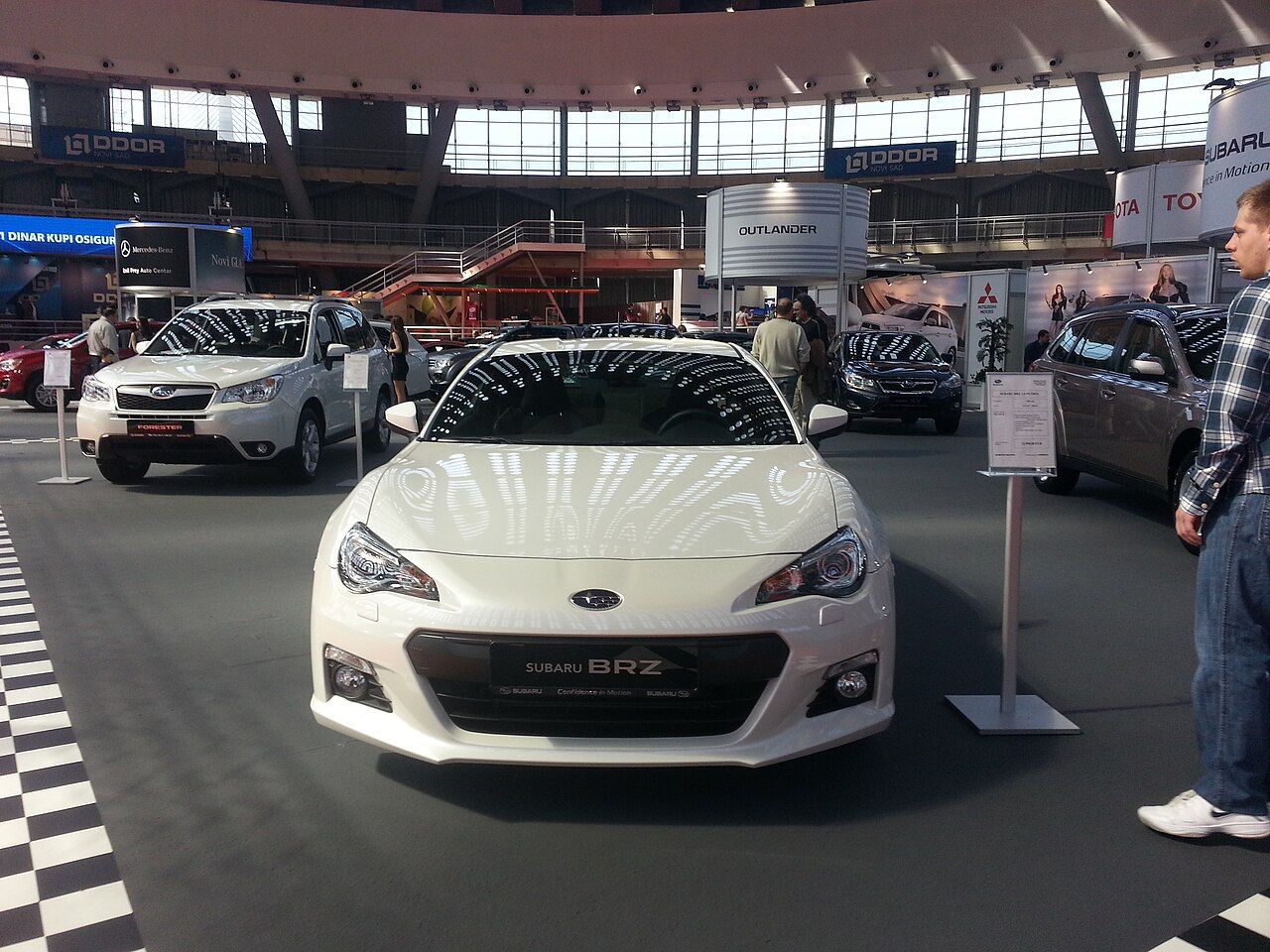
Before choosing parts, write down what is documented, what the car does now and what still needs a professional answer. A modification cannot fix an unknown maintenance or safety problem by assumption. This framework applies broadly to used cars; the cover photo is illustrative.
Make a baseline record
| Record | Question it answers | If missing |
|---|---|---|
| Vehicle identity and manual | Which year, market and configuration should the maintenance information match? | Use the exact vehicle documents and manufacturer resources. |
| Dated service invoices | What work was performed, at what mileage and with which parts? | Mark the item unknown; a seller statement is not an invoice. |
| Current condition | What did an appropriate technician observe about tires, brakes, fluids, leaks and fitted parts? | Arrange an assessment before buying dependent upgrades. |
| Recall status | Does the VIN lookup show unrepaired safety recalls? | Check NHTSA and ask the manufacturer or dealer about completion records. |
| Modification history | Which hardware, calibration and settings are installed now? | Photograph identifiers and request installation records. |
A NHTSA VIN result with no unrepaired recalls does not show completed recall work and is not a mechanical inspection. Use the owner manual for the exact vehicle instead of applying a universal maintenance interval. For a BRZ, Subaru’s owner portal is a starting point for model-year documentation.
Separate three kinds of spending
| Bucket | What belongs here |
|---|---|
| Prompt attention | A technician’s safety or drivability finding that needs diagnosis or repair. |
| Scheduled work | Maintenance due under the correct vehicle information or supported by inspection. |
| Optional upgrades | A change tied to a stated goal after the first two buckets are understood. |
Fictional example: an owner has $1,500 available. Written quotes identify $420 of prompt work and $180 of due maintenance; the owner also holds $300 as an untouched reserve. The amount left for optional changes is $1,500 − $420 − $180 − $300 = $600. These figures are arithmetic examples, not market estimates, and an unpriced finding is not included in that $600.
Use the budget planner with your own quotes. Record the source and date of each amount; a planned total and a paid total should remain separate.
Make the next modification answer a problem
Write a one-sentence goal, the baseline observation that supports it and the evidence you would accept afterward. If a shop has not resolved a concern about the current car, defer the part that depends on that system. Preserve the original settings, invoices and part numbers for later diagnosis.
Continue with the build journal to record decisions you make or postpone. For a first-generation BRZ, the next guide connects this baseline to specific modification choices.
Read first BRZ modifications only after you know the condition of the car in front of you. Gearline did not inspect or modify a vehicle for this example.
Sources and research
- Subaru owner manuals and maintenance resources · Checked 2026-10-08
- NHTSA: VIN recall lookup and its limits · Checked 2026-10-08
Update: Updated October 9, 2026: added a baseline evidence matrix and a reproducible example that reserves money for known work before upgrades.