See the article’s sources and scope. Our editorial standards
One ratio, two ways to read it
Power-to-weight divides power by weight. When expressed as hp per pound or hp per kilogram, a larger number means more power per unit of mass. Weight-to-power reverses that division: pounds per horsepower becomes smaller as the ratio improves.
Neither format contains a time measurement. A power-to-weight ratio is not a 0–60 mph prediction, lap time, or overall score for a car.
Keep the measurements comparable
Use the same power convention in both setups. The Gearline calculator expects mechanical horsepower and lets you label the input as engine hp or wheel hp. That label changes the basis of the comparison; it does not estimate drivetrain losses or convert one measurement into the other.
Keep weight definitions consistent too. If one figure includes the driver and fuel and the other does not, the comparison includes that difference. Record the source and conditions instead of treating every published weight as interchangeable.
For units, one pound is 0.45359237 kilograms. A US short ton is 2,000 pounds; a metric tonne is 1,000 kilograms. “hp per ton” is ambiguous unless the ton is identified.
Work through an example
Take an illustrative setup with 200 hp and 2,800 lb. Dividing 200 by 2,800 gives approximately 0.0714 hp/lb. Reversing the fraction gives 14 lb/hp. Multiplying the first ratio by 2,000 gives approximately 142.9 hp per US short ton.
If an otherwise identical input changes from 2,800 to 2,700 lb, the ratio rises by about 3.7%. That is a mathematical comparison of inputs, not a claim that an actual car becomes 3.7% faster. These example figures are not a specification for a particular vehicle.
Keep the result in context
Gearing, traction, the way power is delivered, conditions, and the task you care about all sit outside this simple ratio. Use it to ask better questions, not to settle every comparison.
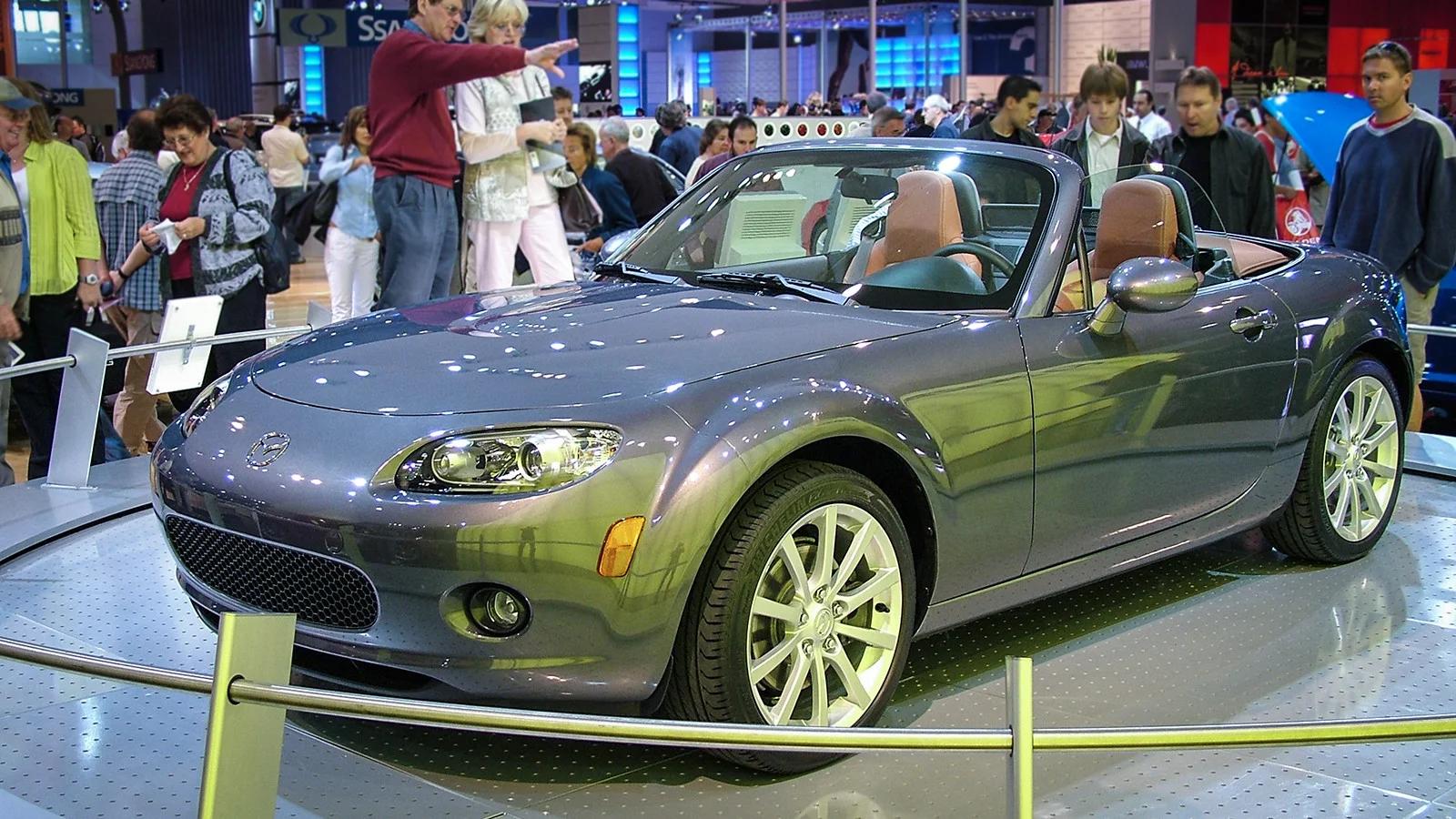
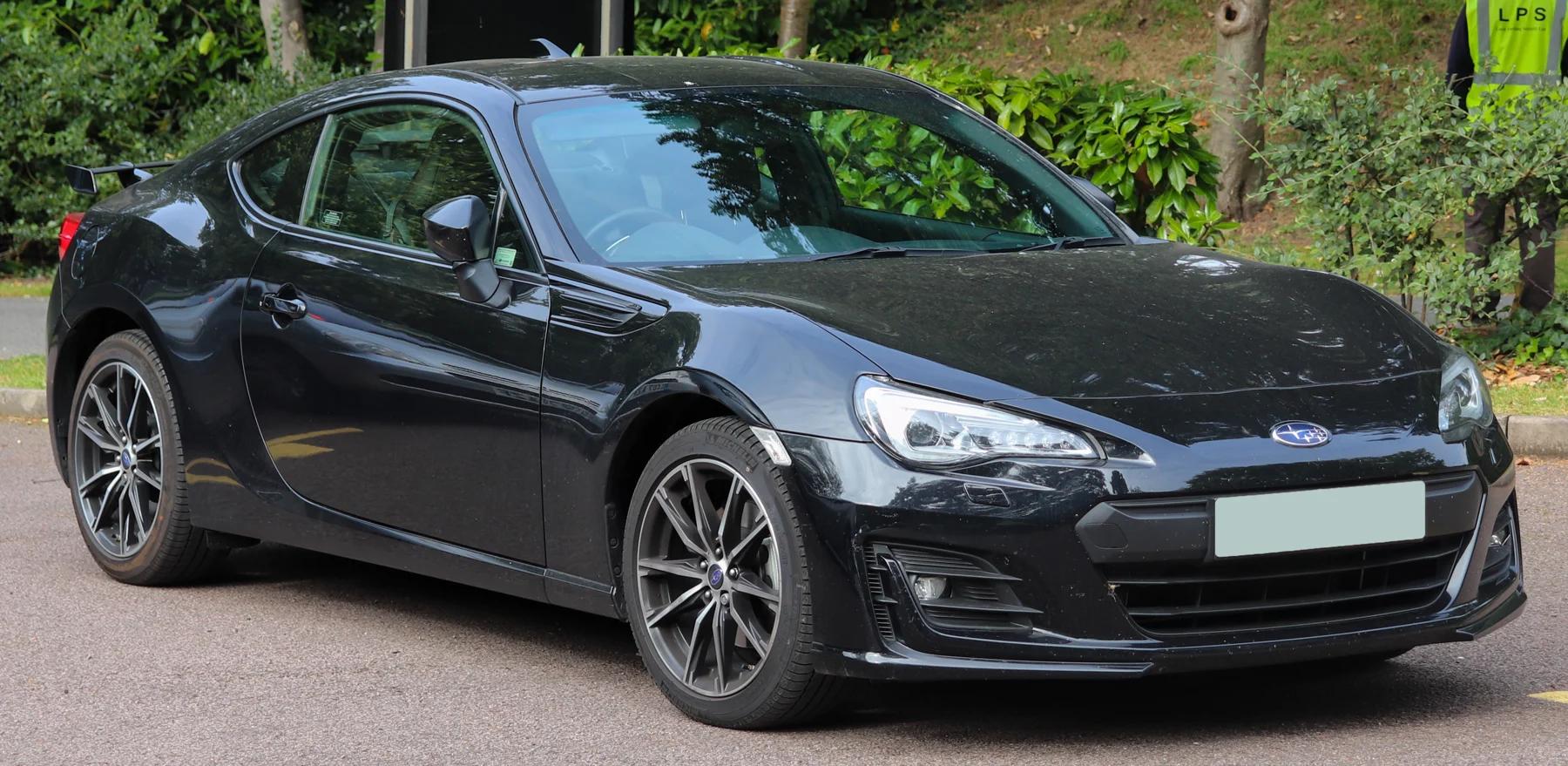
Try the power-to-weight calculator and keep the inputs beside the result. If you are deciding between used cars, return to the BRZ vs. NC Miata guide and include condition, daily use, and ownership costs in the decision.