See the article’s sources and scope. Our editorial standards
Start with your week
The useful comparison starts with what the car must do on an ordinary Tuesday. Write down the passengers, parking, luggage, commuting, and trips it needs to handle. Add the things that make a drive special to you, such as an open roof or a particular transmission. Rank those needs before comparing horsepower.
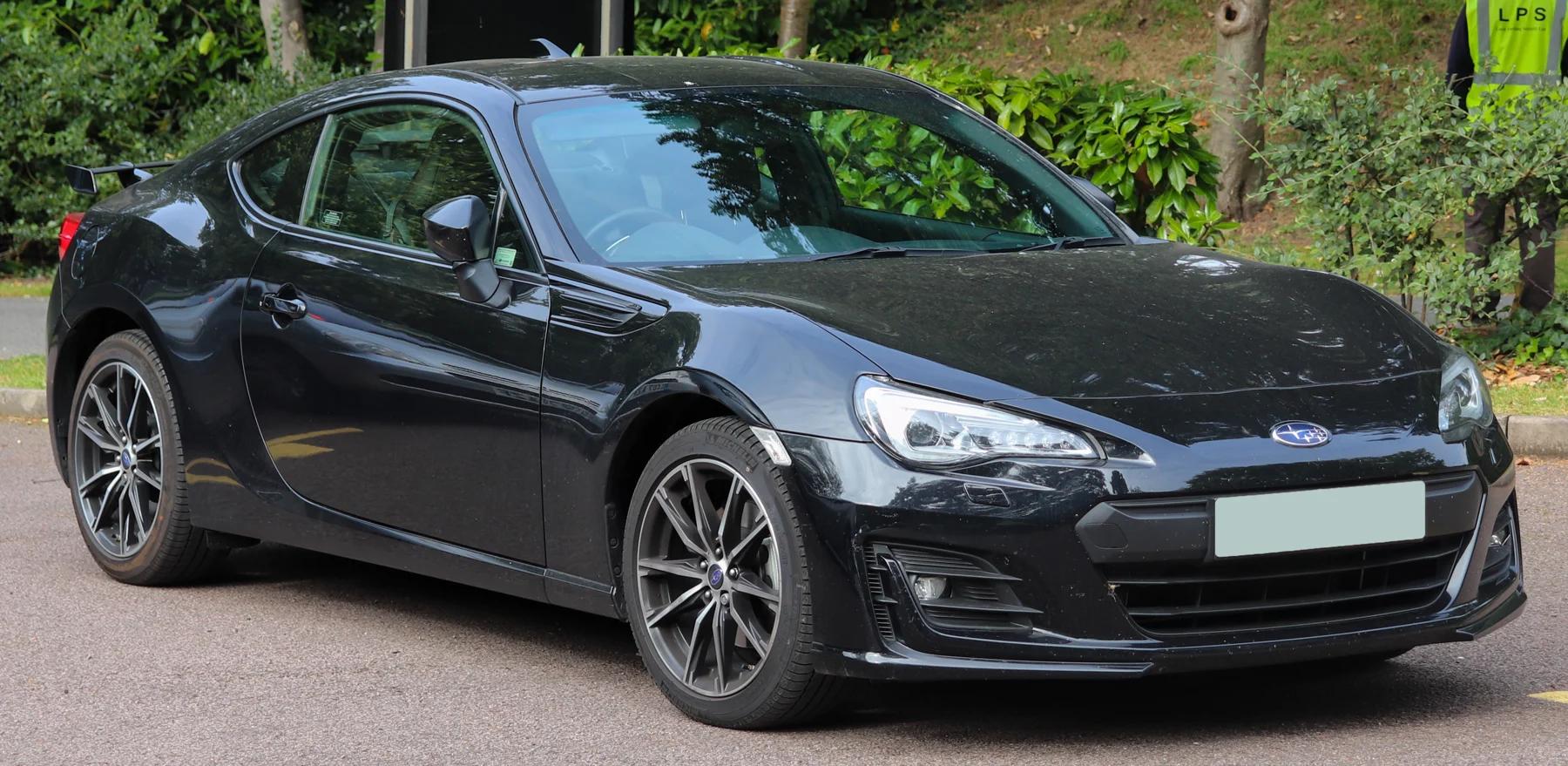
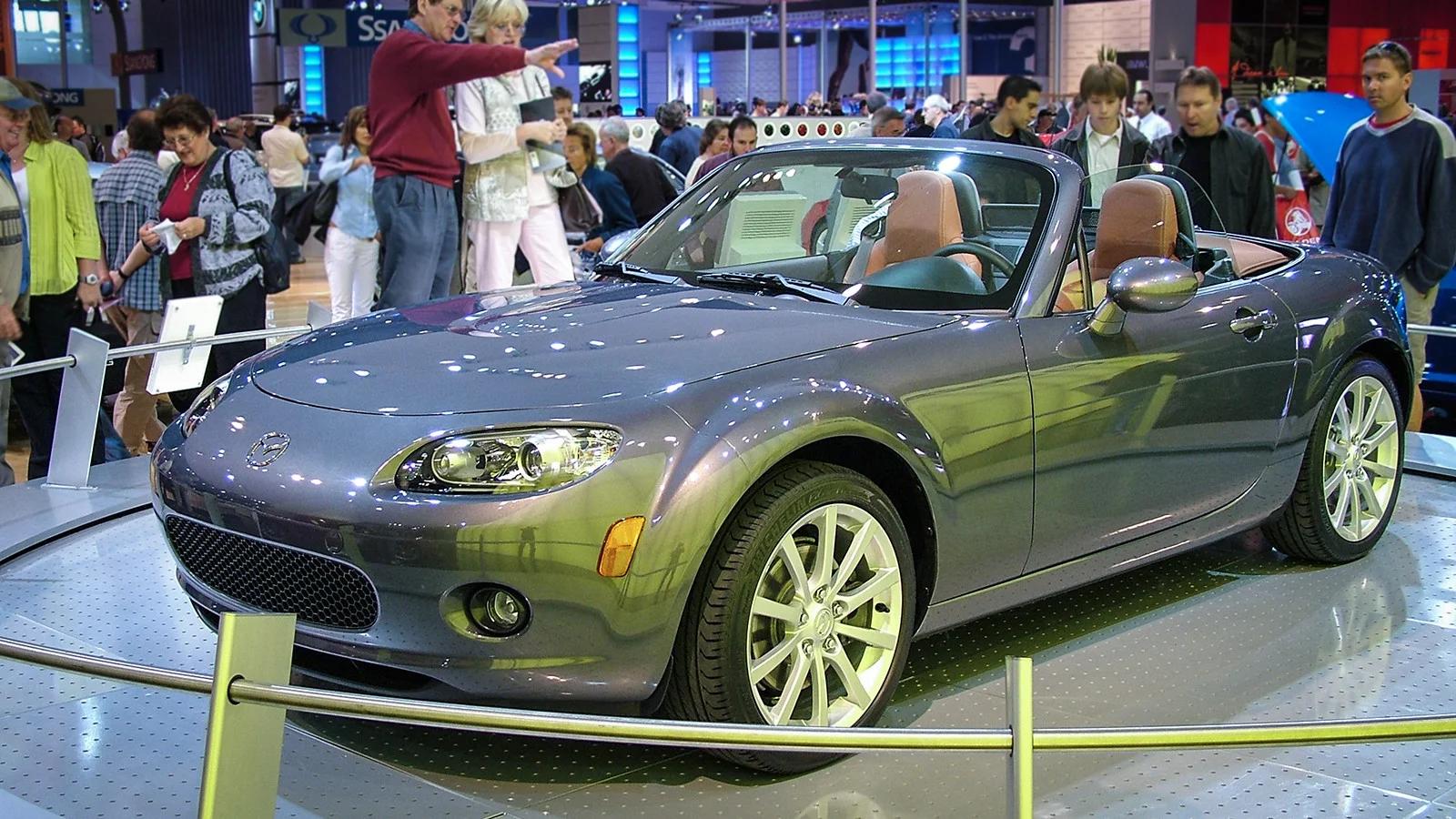
The BRZ and NC Miata can both appear on an enthusiast's shortlist, but the decision should be tied to specific vehicles. This guide is a way to structure that decision. It is not a head-to-head road test or a claim that one model is more reliable.
Compare the right examples
Start with a specific year, transmission, roof configuration where applicable, and the documented equipment. For the Miata, Mazda's 2015 brochure distinguishes configurations and transmission-dependent specifications. Use the corresponding Subaru vehicle resources for the BRZ you are considering.
Do not give one car a favorable new-car specification while using a different trim's used price. Condition, fitted tires, modifications, and required work belong in the comparison too. Record the source and date for every quoted number.
2015 US specification snapshot
BRZ Premium manual and MX-5 Miata Sport soft top manual. These figures describe these configurations, not every model year or transmission.
| Specification | Subaru BRZ Premium | Mazda MX-5 Sport |
|---|---|---|
| Engine | 2.0-liter horizontally opposed four-cylinder | 2.0-liter inline four-cylinder |
| Rated engine power | 200 hp | 167 hp |
| Drive layout | Rear-wheel drive | Rear-wheel drive |
| Transmission in this comparison | 6-speed manual | 5-speed manual |
Sources: Subaru 2015 equipment sheet · Mazda 2015 US specifications. Rated engine output is not a wheel-horsepower measurement or a prediction of acceleration.
This snapshot was added September 29, 2026. It compares published specifications for two explicitly defined configurations; it does not rank their real-world performance.
Bring a decision sheet
Use the same questions for both viewings:
| Decision | What to verify on each car |
|---|---|
| Daily practicality | Try your driving position, carry your normal bags, and assess passenger needs. |
| Driving preference | Arrange an appropriate test drive and record your own observations. |
| Condition | Obtain independent inspection findings and written repair estimates. |
| Ownership | Get an insurance quote and price the next scheduled work. |
| Build plan | Verify the application, full installation cost, and compromises of intended upgrades. |
If you compare power-to-weight, use like-for-like measurements: engine output with engine output, the same horsepower unit, and comparable definitions of vehicle weight. The power-to-weight calculator allows you to enter two setups and compare the ratios. A favorable result is not an acceleration prediction.
Let condition break the tie
Separate your enthusiasm for the model from your confidence in the example for sale. A transparent seller, consistent records, and an inspection you understand can matter more than a feature you would rarely use. If neither car leaves room for needed work, reconsider the purchase budget.
Continue with the BRZ buying guide or the NC Miata buying guide. Keep the final decision tied to the evidence for those cars, rather than a universal winner.
Sources and research
- Mazda 2015 US MX-5 brochure · Checked 2026-09-29
- Subaru vehicle resources and owner documentation · Checked 2026-09-29
- Subaru 2015 BRZ standard and optional equipment · Checked 2026-09-29
- Mazda 2015 US MX-5 specification deck · Checked 2026-09-29